Plow up the front lawn, it’s time to plant wheat.
With the high current price of commodities (wheat, corn and soybeans), farmers are looking for a way of cashing in.
Global shortages of these cereal grains have been caused by a
combination of factors including poor weather conditions, increased demand, and fewer acres being planted.
This decrease supply and increased demand has driven the price skyward prompting farmers to plant more acres. Crops with which they can cash in won’t be harvested until August and September but farmers are already salivating at the promise of a pay day.
Many producers are now
taking lands out of CRP. The
Conservation Reserve Program (CRP) was started in 1985 pulling nearly 45 million acres out of production due to a surplus if food production. The current cap on the program is 39 million acres having been renewed with the
1996 and the
2002 Farm Bills.
Though the key reason it was enacted was economical (food prices were too low), CRP was sold on environmental
reasoning. With the land not being plowed up on an annual basis, vegetation returned to a somewhat natural state and provided excellent habitat for upland game birds, deer, and a variety of rodents, birds, predators and prey.
All this brings up several items for question.
1. What happens to that habitat and what will be the result of displacing those animals?
Hunters and other outdoorsmen will be affected and government management of hunting programs will have to be adjusted. This brings groups like Pheasants Forever and Ducks Unlimited into the mix, not to mention the state departments of fish, wildlife and parks.
2. If even a portion of that CRP is put back into production, won’t another surplus of food result?
Most land gets put into multiple year contracts but any contracts that are coming up due will unlikely be renewed. Unless distribution of the surplus grain is well managed and put into export markets as well as domestic markets, we could see a surplus of grain.
3. If there is a surplus of grain, then will prices be driven down again?
With current demand the way it is and the world needing to support an every increasing population, a major food surplus driving prices down would be unlikely. However, top economists often have problems predicting the temperamental supply and demand curve.
4. Is it the best policy to restrict how many acres can be planted through a program such as
CRP?
At the onset of the program in the mid-1980s, food prices moderated but a negative impact was felt with implement dealers. Farmers didn’t have as much land to plant and harvest so they stopped buying tractors. Implement dealers went out of business and entire communities felt the economic loss. Some small communities lost a sustaining population and actually became ghost towns. The program has since had numerous positive benefits that seem to out weigh any negative impact.
5. How else can we bring stability to the supply and demand curves that affect commodities?
Producers should be getting fair prices for their crops. It seems they tighten their belts for years and years before receiving a windfall. Meeting the world food demand is by no means easy. With uncontrollable factors like weather, it would be nice to manage the food supply in other ways. Any suggestions?
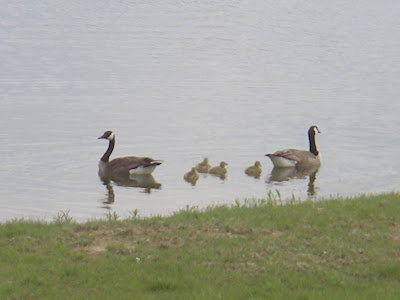


 We walked in the door and were quickly ushered to our table. Fortunately we had reservations. They quickly brought out our drinks and then led us to the ample salad bar. It was full of good traditional American salad bar stuff but then it had loads of Brazilian dishes as well like cured meats, palm hearts, fresh farm cheese, green salsa and much more.
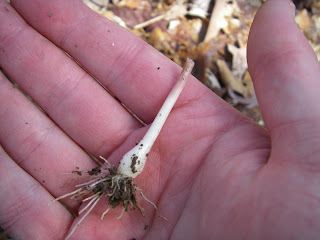 Signs of spring were everywhere however faint.
 About six miles into the hike my cell phone rang. It really startled me because I hadn't seen another person the whole time and I had forgotten that I was even carrying my phone. Amazing what kind of cell reception is possible when you are in a flat state like Indiana.
 We were trying to get around downtown but they had completely closed off Pennsylvania Avenue along which the Popes motorcade was scheduled to ride. We walked forever trying to get across to our 11:30 appointment.
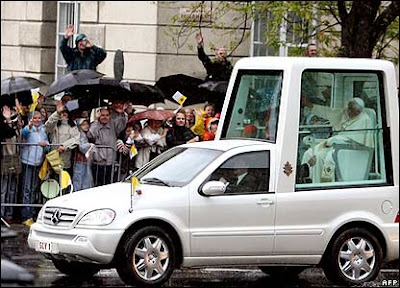 The crowd was enormous. I believe Catholicism is alive and well in the Spanish speaking world. The Latino community was out in full force to welcome his Holiness. They were singing and dancing up a storm.


